Six Basic Survival Skills
-
Food
You might be surprised to see food so low on the basic survival skills priorities list, though we can survive for much longer without it as compared with shelter and water. Remember "The Rule of Threes": humans can survive without food for roughly 3 weeks (though I'm sure you would not want to go that long without food!). Thankfully, most natural environments are filled with a variety of items that can meet our nutritional needs. Wild plants often provide the most readily available foods, though insects and small wild game can also support our dietary needs in a survival situation.
Here are a few plants which are abundant throughout North America:-
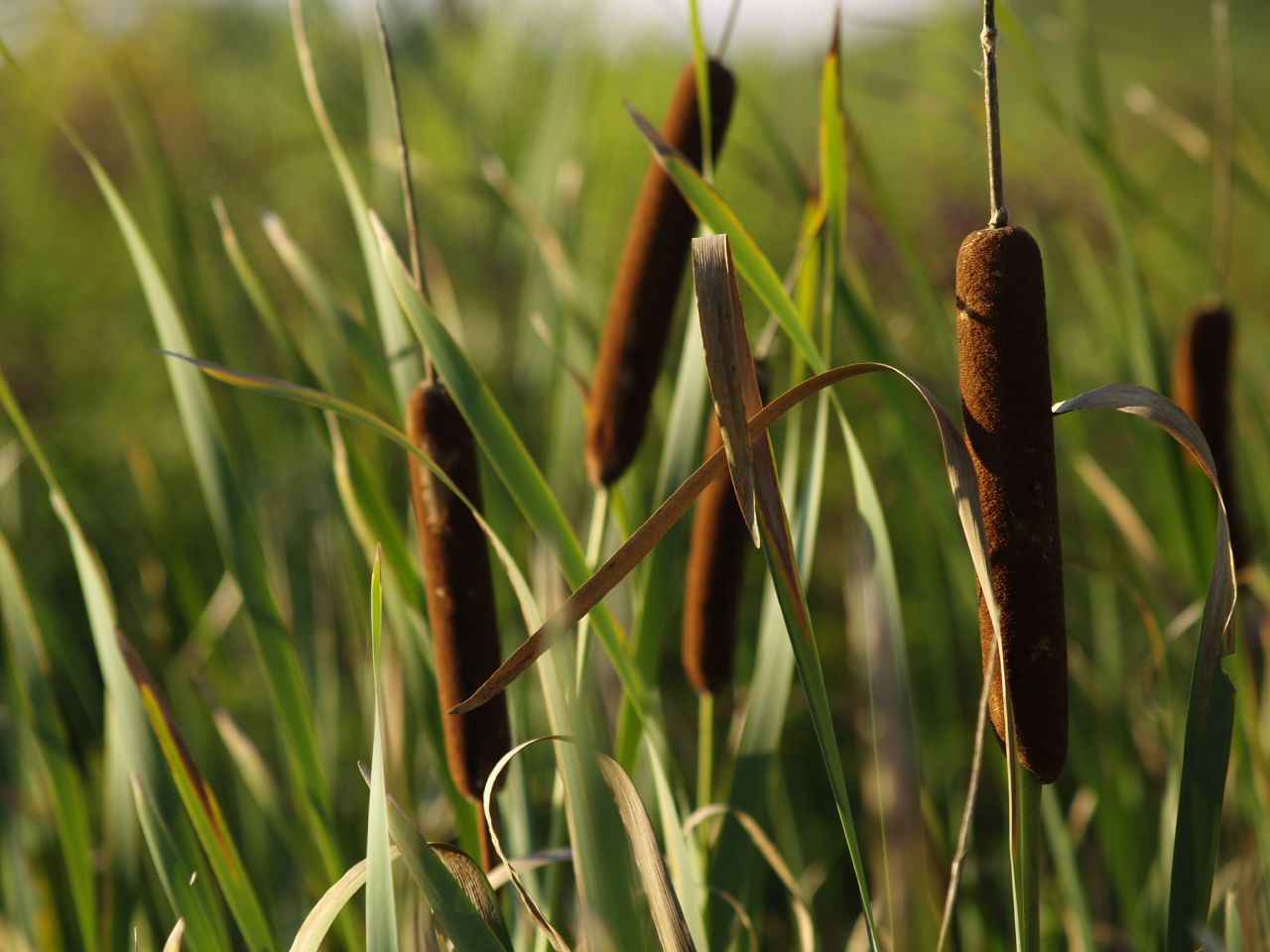
Cattail: known as the "supermarket of the swamp", the roots, shoots and pollen heads can be eaten.
-
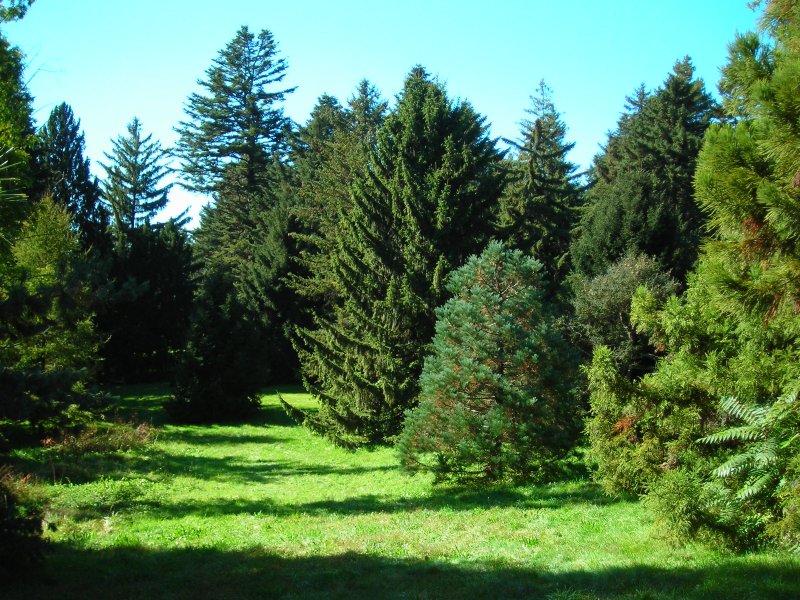
Connifers: the inner bark, known as the cambium, is full of sugars, starches and calories, and can be eaten on most evergreen, cone-bearing trees [except for Yew, which is poisonous].
-
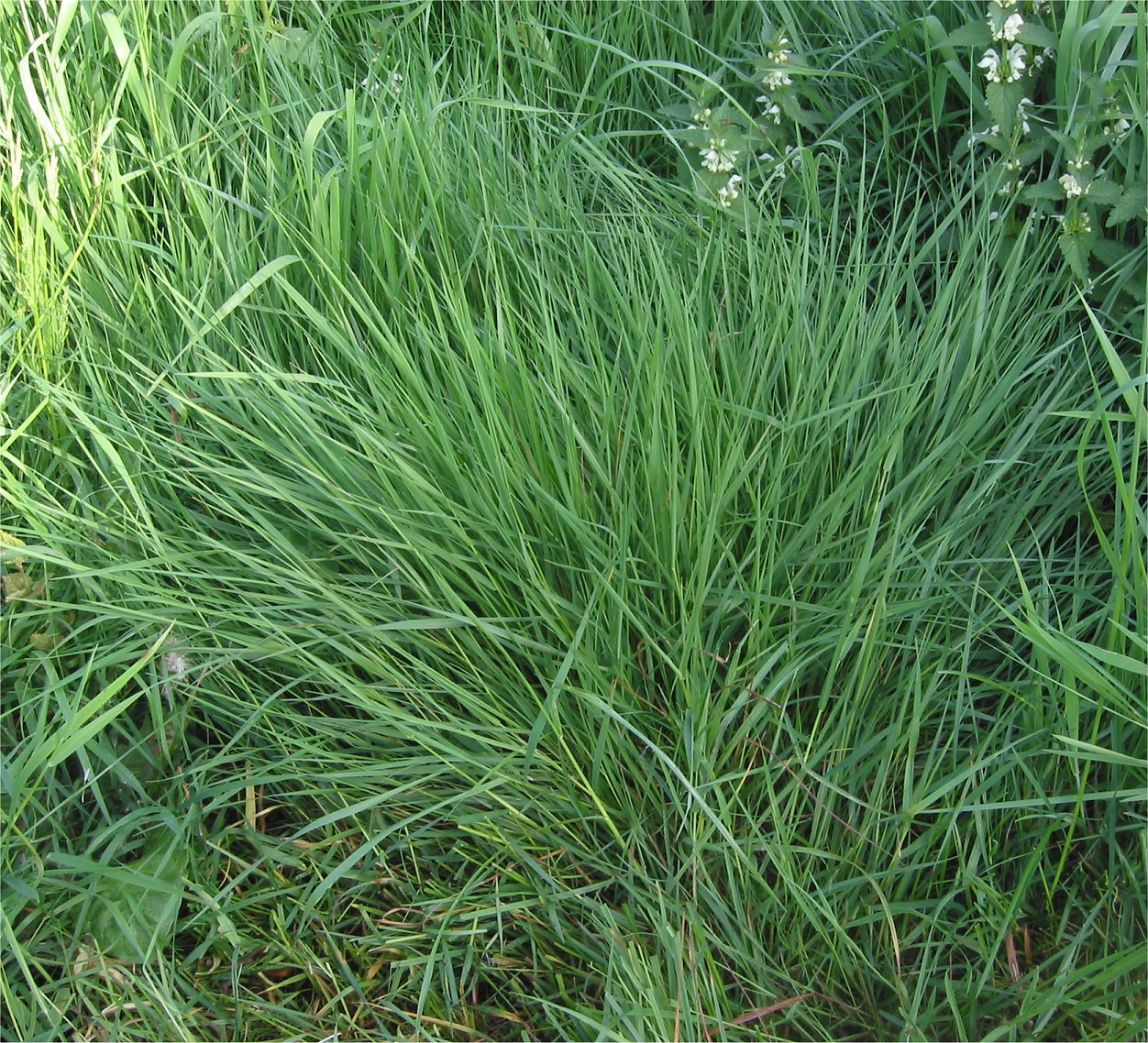
Grasses: the juice from the leaves can provide nutrition, and the root corm can be roasted and eaten.
-
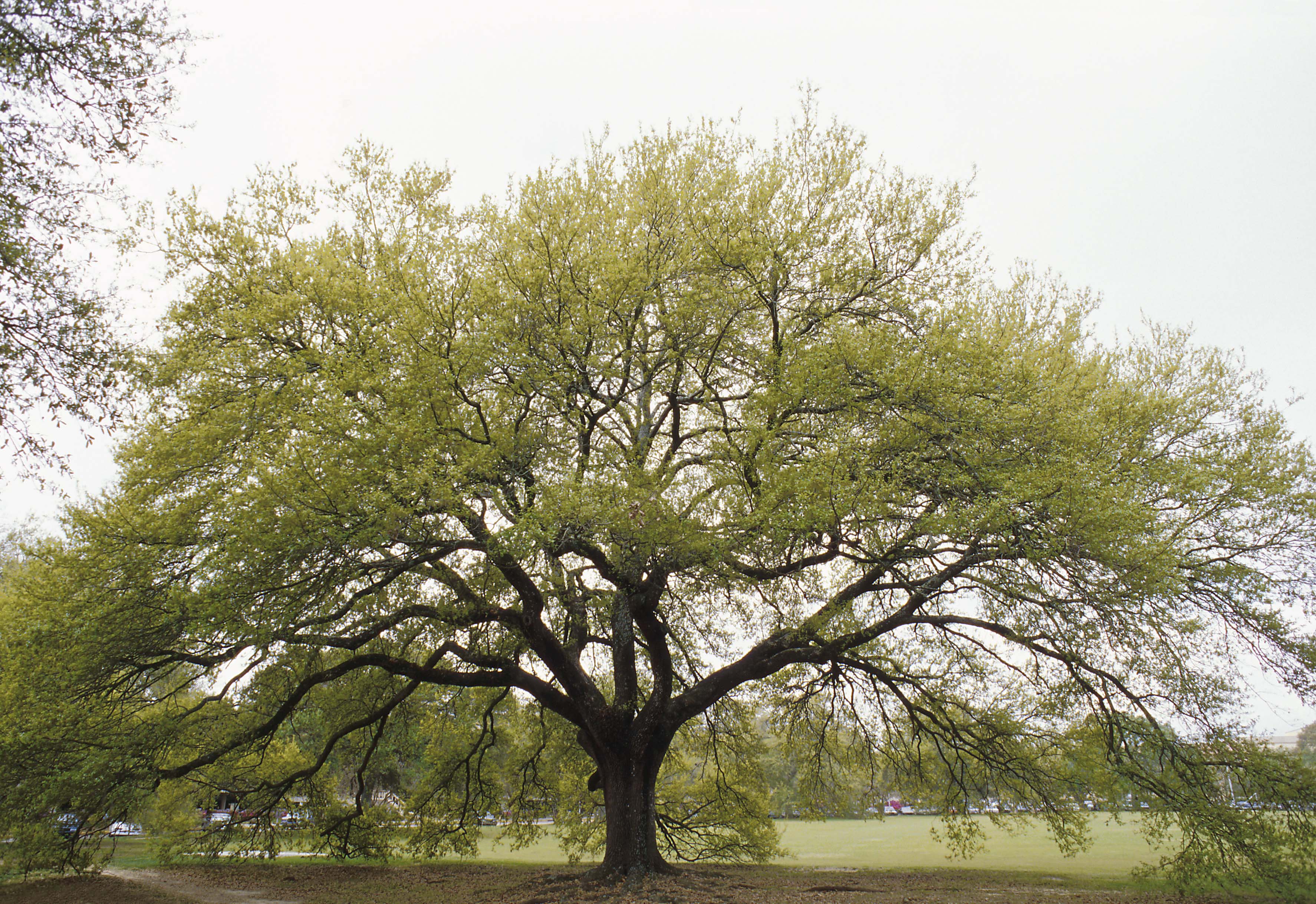
Oaks: all acorns can be leached of their bitter tannic acids, and then eaten, providing an excellent source of protein, fats, and calories.
Be sure that you properly identify any plant you plan on consuming (using field guides and/or the guidance of an experienced expert). Many plants can be difficult to identify and some edible plants have poisonous look-a-likes. If you cannot identify the plant, do not eat it.
-
-
Natural Skills
The more you know about nature, the better you will be able to survive in the outdoors. To be great at wilderness survival, beyond the basic survival skills, requires an in-depth understanding of a variety of nature skills. For example, wildlife tracking skills allow one to effectively locate wild game for food, and knowledge of herbal medicine allows one to heal illnesses with wild plants. Especially for the situation where you may choose to purposefully practice survival living for a lengthened period of time, naturalist knowledge is absolutely invaluable.
All of our hunter–gatherer ancestors had classification systems for living organisms, knew their names, understood their uses, recognized how they inter-related to each other, and were aware of exactly how to utilize those resources in a sustainable fashion. This knowledge was at the foundation of their ability to thrive within the natural environment.
For even the recreational wilderness skills practitioner, a basic knowledge of the natural sciences (such as botany, ecology, geology, etc…) can be very useful and enriching. A great place to start is by purchasing the relevant plant and animal field guides for your region. These resources can help you begin to identify species and understand how they relate.
Now, with these six keys to basic survival skills, you are well on your way to thriving in the outdoors!